
The telecommunications sector in Washington D.C., heavily regulated by strict no-call laws, requires advanced call tracking and analytics for effective compliance. These tools identify trends, optimize campaigns, and protect consumers from fraudulent practices. A lawyer specializing in No Call Laws DC guides businesses on navigating opt-in agreements and handling consumer opt-out requests. Call analytics streamlines regulatory checks, enhances enforcement, and maintains industry integrity while balancing consumer protection with business needs. Robust data protection measures are essential due to privacy concerns. D.C.'s use of advanced call analytics demonstrates a commitment to consumer protection.
In the dynamic landscape of telecommunications, ensuring compliance with No Call Laws is paramount, especially in jurisdictions like Washington D.C., where regulations are stringent. As businesses navigate complex legal frameworks, the strategic utilization of call analytics emerges as a powerful tool. This article delves into the intricate world of call analytics and its pivotal role in telemarketing regulation, offering insights that can significantly benefit lawyers specializing in D.C.'s No Call Laws. By exploring advanced data analysis techniques, we uncover how organizations can mitigate risks, enhance customer interactions, and stay compliant, ultimately fostering a more transparent and accountable industry.
Understanding DC's Telemarketing Landscape and No Call Laws
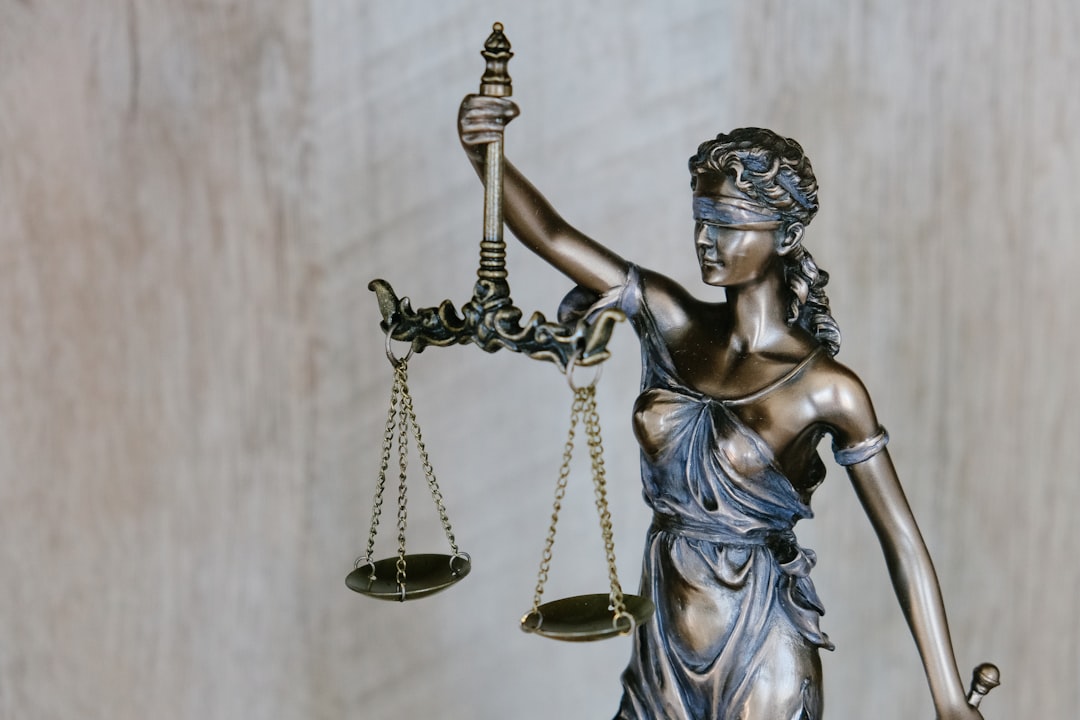
The District of Columbia's (DC) telecommunications landscape is a complex web where telemarketing plays a significant role. With a high concentration of businesses and residents, DC serves as a microcosm of the nation's broader marketing trends. However, navigating this environment requires a deep understanding of local regulations, particularly those pertaining to no-call laws. These laws are designed to protect consumers from unwanted phone calls, ensuring their privacy and peace of mind.
DC's no-call laws are stringent, reflecting a concerted effort to balance the needs of businesses engaging in telemarketing with the rights of residents to control their communication preferences. The laws prohibit commercial phone calls to individuals who have not granted explicit consent. This means that companies must obtain prior permission from callers before initiating any sales or marketing efforts via telephone. For instance, a lawyer specializing in No Call Laws DC can advise businesses on crafting effective opt-in agreements and managing consumer opt-out requests efficiently. Compliance is crucial, as violations can result in substantial fines, damaging a company's reputation and financial health.
Practical implementation of these laws involves robust call tracking and analytics systems. Call analytics software enables telemarketing firms to monitor call volumes, identify trends, and gauge the success of campaigns. By analyzing call data, companies can refine their strategies, target the right audiences, and minimize unnecessary calls, thereby reducing potential infractions. This data-driven approach not only enhances compliance but also improves overall marketing effectiveness.
The Role of Call Analytics in Compliance Monitoring

The strategic utilization of call analytics has emerged as a powerful tool for regulatory compliance within the telemarketing sector in D.C. This technology enables regulators and legal professionals, such as those specializing in No Call Laws DC, to monitor and enforce laws effectively. By analyzing vast datasets derived from phone calls, call analytics offers profound insights into caller behavior, consumer preferences, and adherence to regulations. For instance, it can detect repeated violators by identifying patterns of unauthorized calls, helping lawyers for No Call Laws DC build robust cases.
Furthermore, the technology facilitates compliance monitoring by providing detailed records of calls, including timestamps, duration, and call outcomes. This data allows regulators to pinpoint non-compliance instances and assess the effectiveness of current regulations. For example, a study by the D.C. Attorney General's Office revealed that call analytics helped identify hundreds of potential violators during a single campaign, underscoring the technology's ability to streamline compliance checks. As regulatory landscapes evolve, incorporating call analytics can ensure that telemarketers stay within legal boundaries and protect consumers from intrusive or fraudulent practices.
Practical implementation involves integrating call analytics software with existing telephony infrastructure. This integration enables real-time monitoring and alerts for suspicious activities. Lawyers for No Call Laws DC can leverage these alerts to proactively investigate potential violations, ensuring swift justice. Additionally, predictive analytics capabilities offer forward-looking insights, enabling regulators to anticipate emerging trends in telemarketing practices and adapt legal strategies accordingly. By embracing call analytics, D.C. takes a significant step towards strengthening its regulatory framework, fostering trust among consumers, and maintaining the integrity of the telemarketing industry.
Strategies for Effective Call Data Interpretation by Telecoms
In the realm of telemarketing regulation, especially within D.C.'s stringent No Call Laws, call analytics play a pivotal role in ensuring compliance and enhancing customer interactions. Telecoms must adopt sophisticated strategies for interpreting call data to optimize their campaigns while adhering to legal mandates. An expert lawyer for No Call Laws DC emphasizes that understanding the nuances of consumer behavior is key. By delving into call records, telecoms can discern patterns: identifying peak calling hours, preferred communication channels, and customer preferences. For instance, a thorough analysis might reveal that a majority of calls are received between 5 pm and 7 pm, indicating when consumers are most receptive to marketing messages.
Practical insights from industry experts suggest that segmenting caller data based on demographics, past interactions, and purchase history can significantly improve campaign effectiveness. This granular understanding allows telecoms to tailor their messaging, ensuring relevance and reducing the risk of regulatory non-compliance. For example, a telecommunications company specializing in mobile plans could categorize customers as heavy data users or light users, enabling them to offer personalized promotions that cater to each segment's unique needs. Such strategic interpretation not only enhances customer satisfaction but also contributes to more successful marketing outcomes.
Moreover, leveraging advanced analytics tools enables telecoms to predict customer behavior and anticipate trends. By identifying potential churners or high-value customers, companies can proactively implement retention strategies. A lawyer for No Call Laws DC recommends regular reviews of call data to stay aligned with evolving consumer preferences. This proactive approach not only ensures compliance but also fosters long-term customer relationships by demonstrating a deep understanding of the target market.
Legal Implications: Navigating Call Recording and Privacy Rules

The use of call analytics in telemarketing regulation presents a complex legal landscape, especially in jurisdictions like Washington D.C., where strict No Call Laws are in place. These laws, designed to protect consumers from unwanted calls, have given rise to intricate considerations regarding call recording and privacy. As businesses leverage advanced analytics to optimize their marketing strategies, ensuring compliance becomes paramount. The legal implications of navigating these rules require a nuanced understanding of both federal and local legislation.
In D.C., the Consumer and Commercial Protection Act (CCPA) sets forth comprehensive guidelines for telemarketing practices, including explicit provisions on call recording. Businesses must obtain prior written consent from consumers before recording any telephone conversation related to telemarketing. Failure to adhere to this requirement can result in substantial fines, underscoring the importance of seeking legal counsel from a specialist in No Call Laws DC. Moreover, the act prohibits the use of automated dialing systems (ATS) without specific opt-out mechanisms, adding another layer of complexity.
Privacy concerns further compound the challenge. With call analytics tools storing vast amounts of data, including caller information and conversation transcripts, companies must implement stringent data protection measures. This includes encrypting data storage, ensuring secure transmission, and obtaining explicit consent for data collection. The penalty for non-compliance can be severe, with consumers entitled to damages and injunctive relief. Legal experts recommend that businesses regularly review their call analytics practices through the lens of privacy laws to avoid potential pitfalls.
Enhancing Consumer Protection: A Lawyer's Perspective on D.C.'s Approach

The District of Columbia's (D.C.) approach to enhancing consumer protection through call analytics in telemarketing regulation is a subject of significant interest for lawyers specializing in No Call Laws DC. The city's rigorous implementation of these laws underscores its commitment to safeguarding residents from intrusive and unwanted telemarketing calls. By employing advanced call analytics tools, D.C.'s regulatory bodies can accurately identify violators, ensuring compliance with the law.
From a lawyer's perspective, this data-driven approach offers several practical advantages. For instance, call analytics allows for real-time monitoring, enabling regulators to detect patterns of non-compliance promptly. This is particularly effective in combating systematic abuse, where certain companies may employ sophisticated techniques to bypass traditional blocking methods. Moreover, lawyers can leverage these insights to strengthen legal arguments against offenders, making it easier to secure convictions and punitive damages for clients affected by telemarketing scams.
A key challenge, however, lies in balancing consumer protection with the legitimate needs of law-abiding businesses. Lawyers must advocate for regulations that are both comprehensive and proportional. This includes advocating for exemptions that allow certain types of telemarketing, such as those initiated by customers or non-profit organizations, while still maintaining robust penalties for violators. By striking this delicate balance, D.C.'s regulatory framework can effectively deter unethical practices without unduly burdening honest businesses, fostering a healthier and more transparent telemarketing environment.